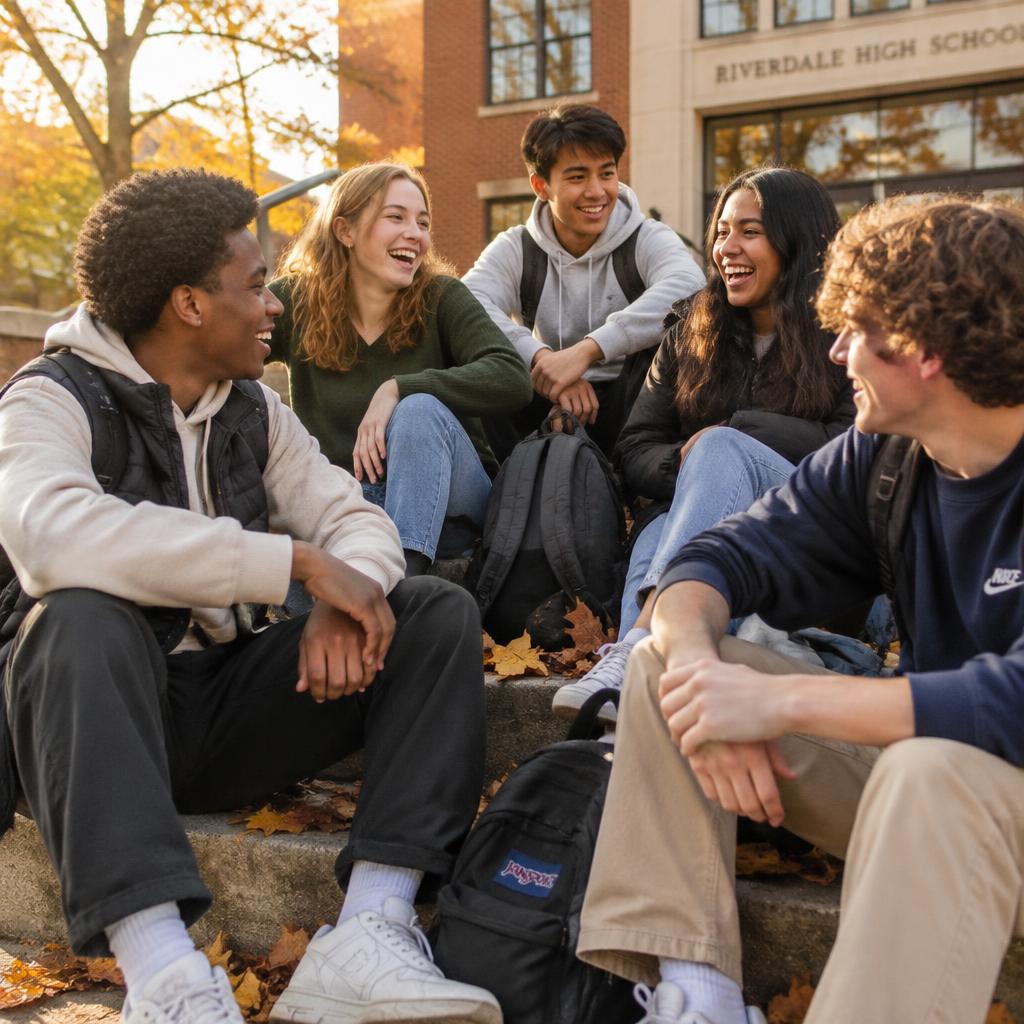
There is a number that has quietly been moving in the right direction. In 2021, at the depth of the pandemic, 42 percent of American high school students reported persistent feelings of sadness or hopelessness — the worst reading in a decade. The new CDC data, collected from high schools across the country last year, puts that figure at 33 percent. The share of teens who seriously considered attempting suicide fell from 22 percent to 14 percent. [2](https://www.goodgoodgood.co/articles/good-news-this-week-october-10-2026)
Researchers point to the ordinary, unglamorous mechanics of recovery: schools rebuilt their rhythms, counseling became easier to reach, and young people found their way back to each other — the sports teams, the clubs, the hallways. Connection, it turns out, is a treatment.
The numbers are still far too high, and the gaps between groups of students remain stark. Nobody at the CDC is declaring victory. But the trend line has bent, and that matters: a decade-long rise in teen despair is not a law of nature. It can move, and it is moving.
If you know a teenager, this is a good week to ask how they actually are — and to believe that the answer can be better than the headlines suggest.